
Chamomile Supplements or Tea: Which Is Safer?
본문
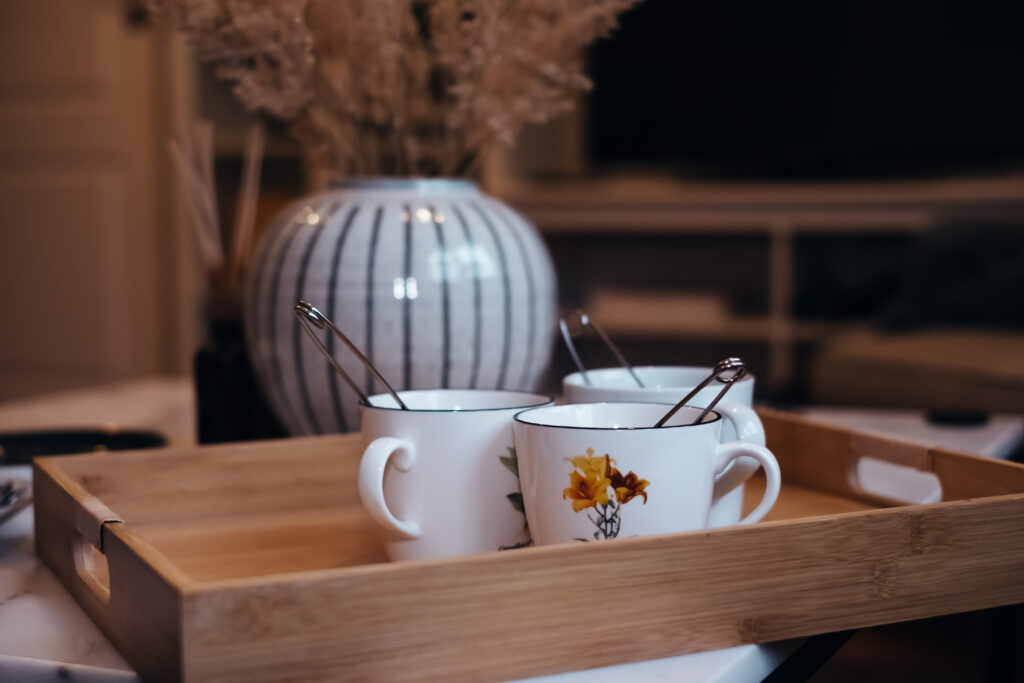
When considering chamomile as a natural remedy, many people wonder whether taking it as a supplement is safer than drinking it as tea. Chamomile tea and supplements derive from identical botanical material, Matricaria chamomilla and have been used for centuries to encourage tranquility and ease insomnia while calming stomach discomfort. However, their preparation and concentration differ significantly, which alters how the body responds to them.
Chamomile tea is made by steeping dried flowers in hot water. This method yields a mild infusion of key phytochemicals, resulting in a gentle, low-concentration beverage. Because it is a commonly consumed herbal infusion taken in typical serving sizes, chamomile tea is widely considered low-risk, including children and pregnant women when consumed in commonly recommended doses. Side effects are uncommon and minor, typically limited to slight allergic responses, especially in individuals reactive to ragweed or related flora.
Chamomile supplements, on the other hand, are highly concentrated extracts typically sold as oral pills, liquid drops, or softgels. These products can contain significantly higher levels of active ingredients than what you’d receive from a single cup of tea. While this can increase their medicinal impact, it also heightens potential side effects. High doses of chamomile supplements have been connected to vomiting, vertigo, and in rare cases liver function disturbances. Additionally, because supplements are poorly controlled by health authorities, their ingredient levels differ between brands, making it challenging to ensure consistent outcomes.
Another concern with supplements is their potential for drug interactions. Chamomile has mild anticoagulant properties and may increase bleeding risk when paired with blood thinners. It can also potentiate the effects of sleep aids, SSRIs and other mood stabilizers, and antihypertensive drugs. These interactions are far less likely with tea due to its mild bioactivity, but with supplements, the risk is substantially elevated.
Allergic reactions are also increased in supplement users, especially if they contain unlisted excipients or preservatives not present in plain tea. People with known allergies to ragweed, marigolds, or daisies should be cautious with either tea or supplements, but the concentrated nature of supplements may cause intensified allergic symptoms.
For https://asresalamat.ir/7-properties-of-chamomile-tea-what-is-chamomile-tea-good-for/ (please click the next document) most healthy adults seeking gentle stress relief or temporary difficulty falling asleep, chamomile tea is the recommended first-line approach. It allows for intuitive consumption, as overconsumption rarely leads to adverse effects, and the body can handle the diluted extracts efficiently. Supplements may be beneficial for targeted therapeutic needs when a precise, measurable dose is required, but they should not be used instead of treatment.
Ultimately, the safety of chamomile depends on how it is administered. Tea offers a gentle, time-tested approach with almost no danger. Supplements offer enhanced bioactivity but require heightened awareness, especially regarding dosage, quality, and individual health factors. When in doubt, choose tea first and seek medical advice before trying concentrated forms.
댓글목록0
댓글 포인트 안내